Skip to content
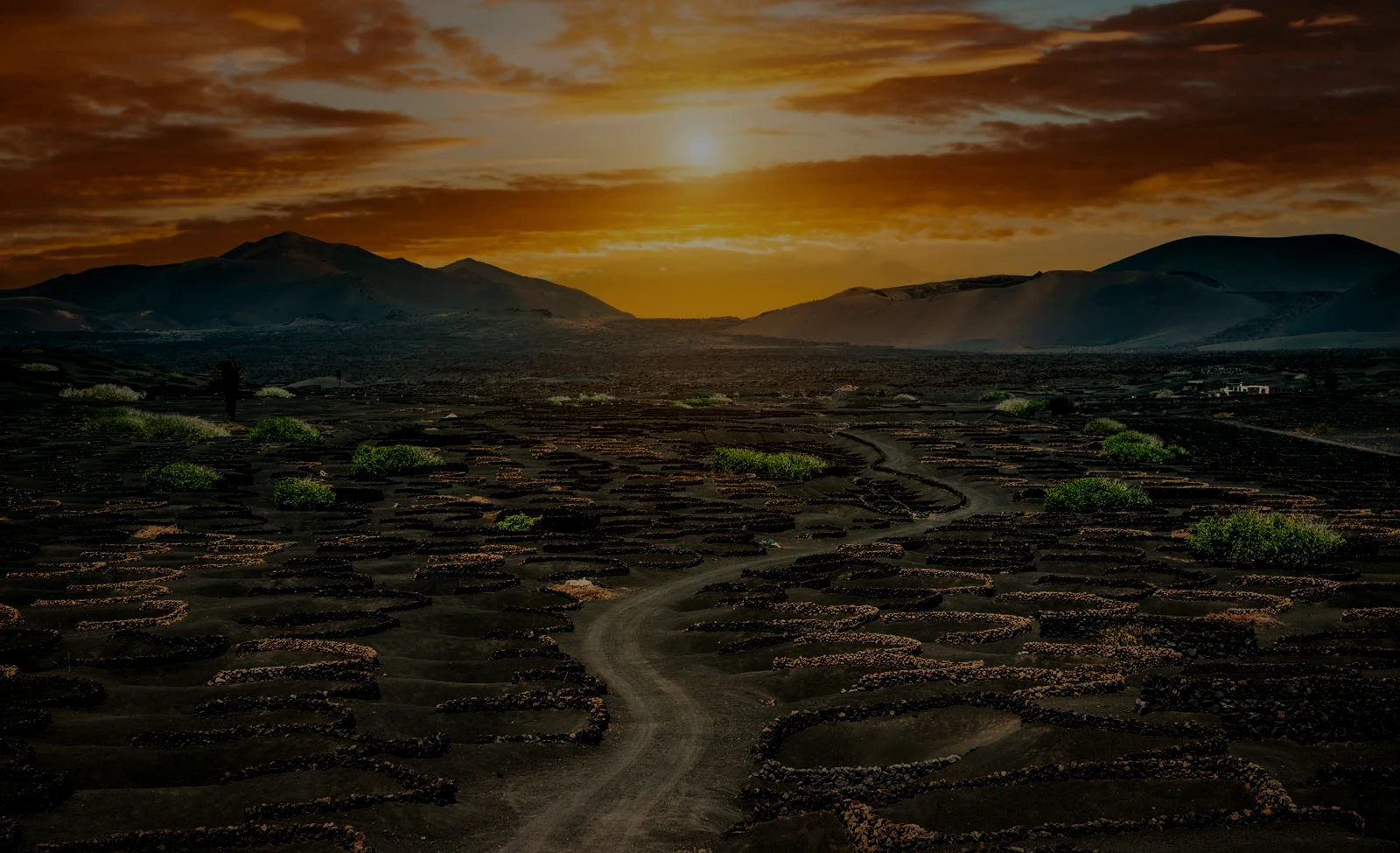
Sunset over La Geria, hoyos as far as the eye can see
The Island
Lanzarote · Canary Islands

The island

A hundred and twenty-five kilometres off the coast of Morocco lies an island where the soil is buried under ash, where it hardly ever rains, and where the wine is nonetheless among the most singular in the world. Here is how that works.
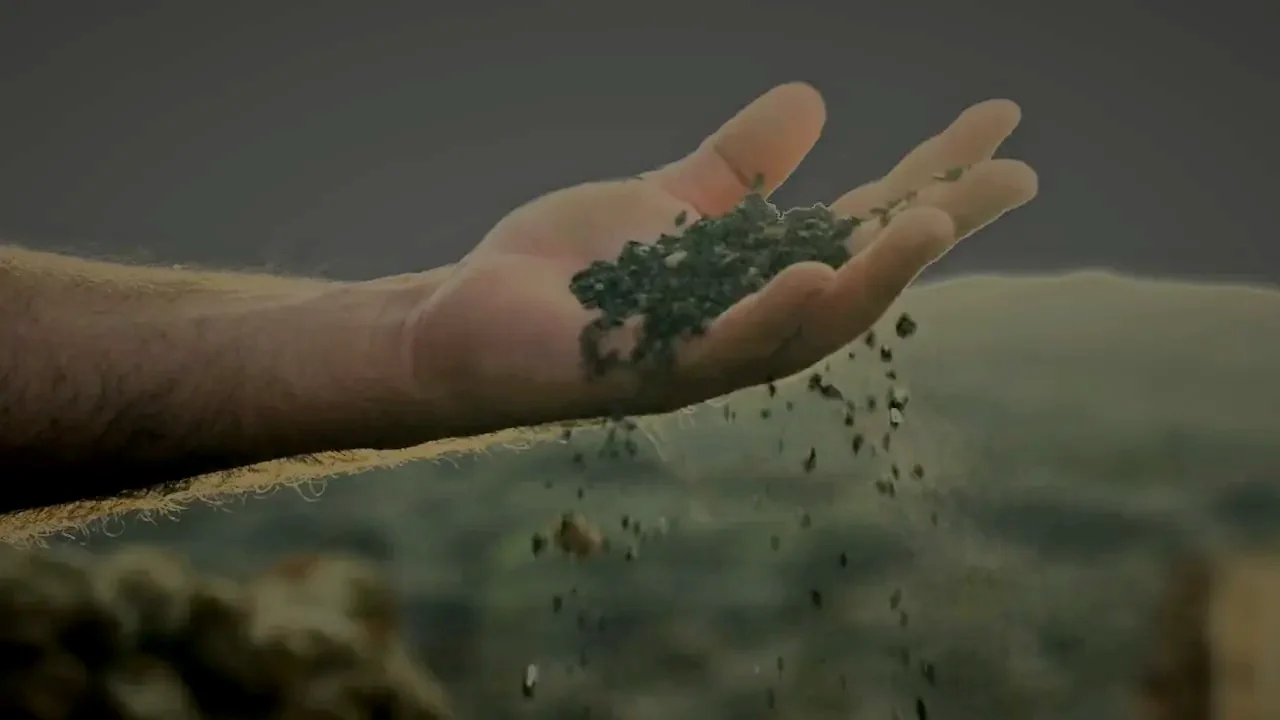
Between 1730 and 1736, Timanfaya erupted almost without pause for six years. When it stopped, a quarter of the island lay under lava and a thick layer of black, porous volcanic grit — picón, or rofe, as they call it on the island. The best soil was gone. Many left. Those who stayed discovered something unexpected: the ash was not only a lid, it was a tool.
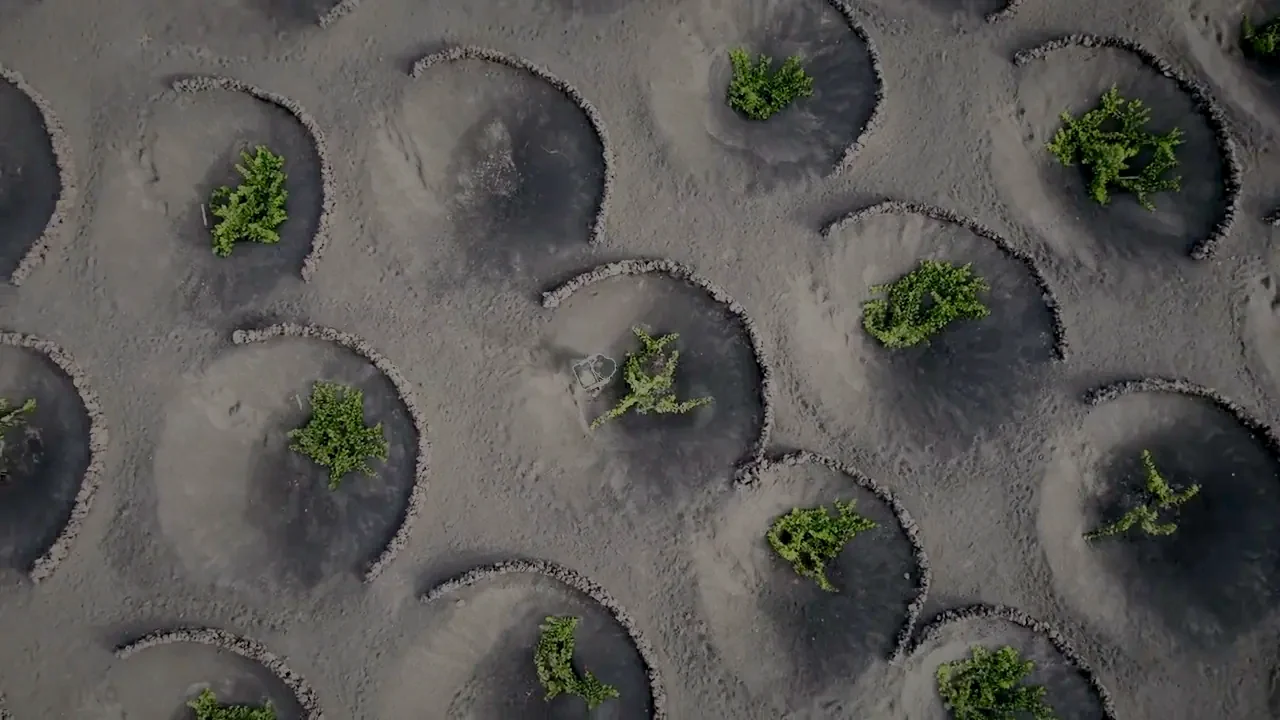
Picón draws moisture out of the night air and releases it to the soil beneath when the sun comes up. On an island with between 110 and 150 millimetres of rain a year — among the driest places in Europe — that is the difference between a dead field and a living vine. So the farmers dug: pits down through the ash to the soil, one vine in each, and a crescent of dry stone around it to break the trade wind that blows all year.
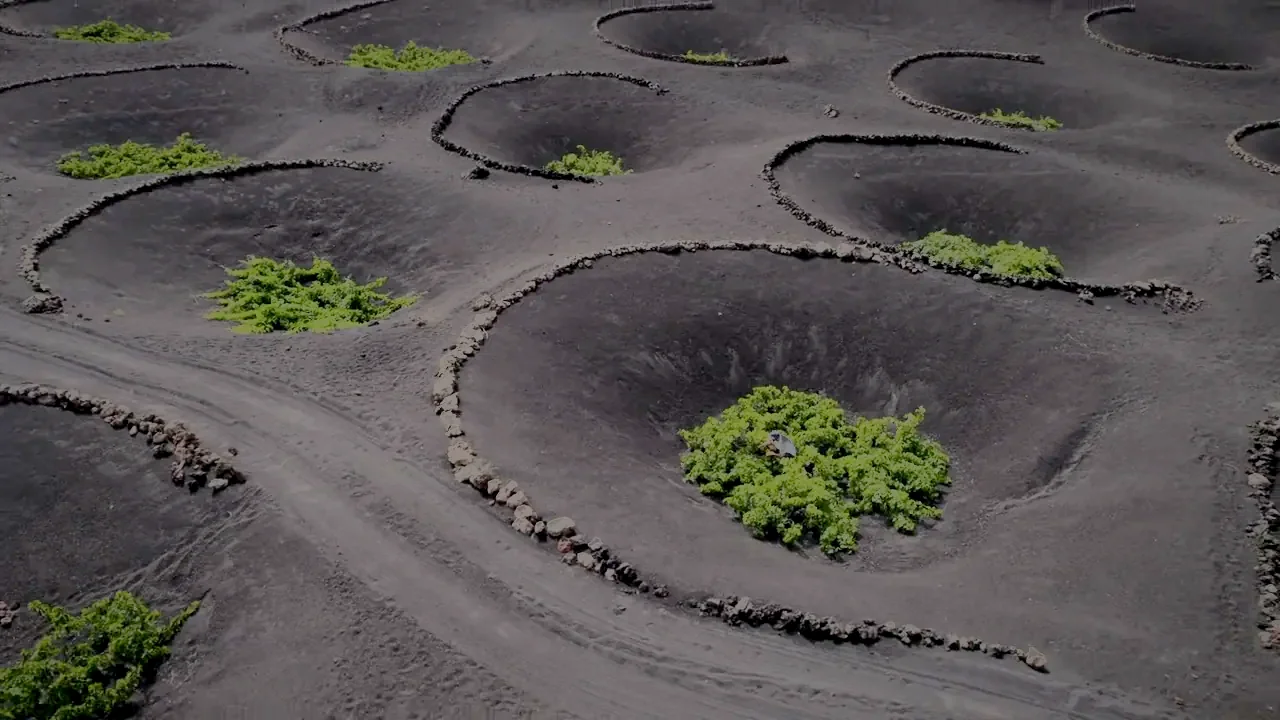
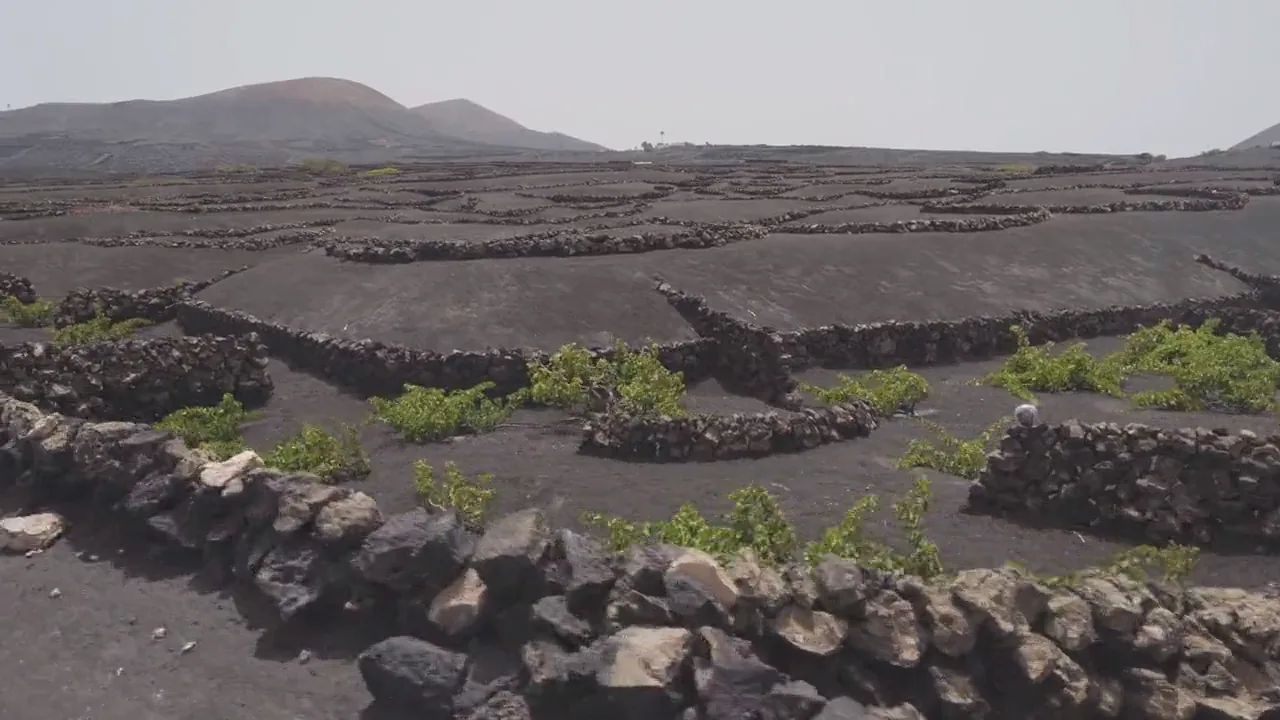
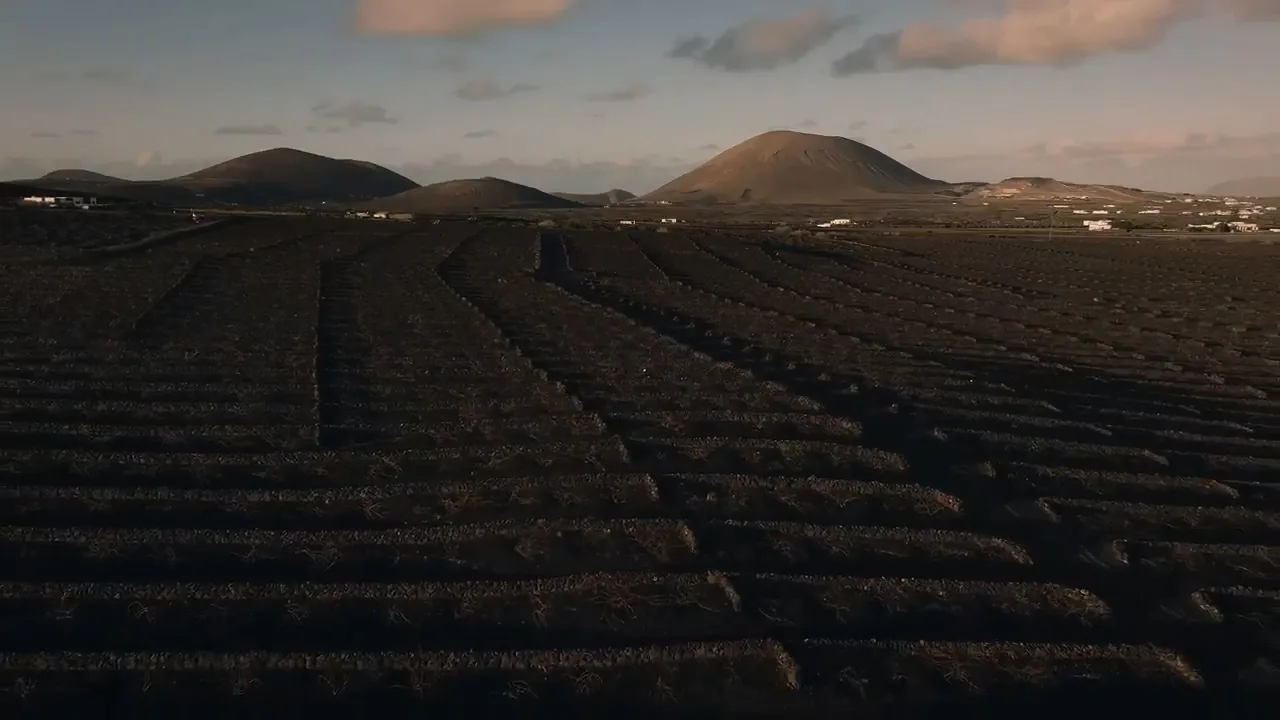
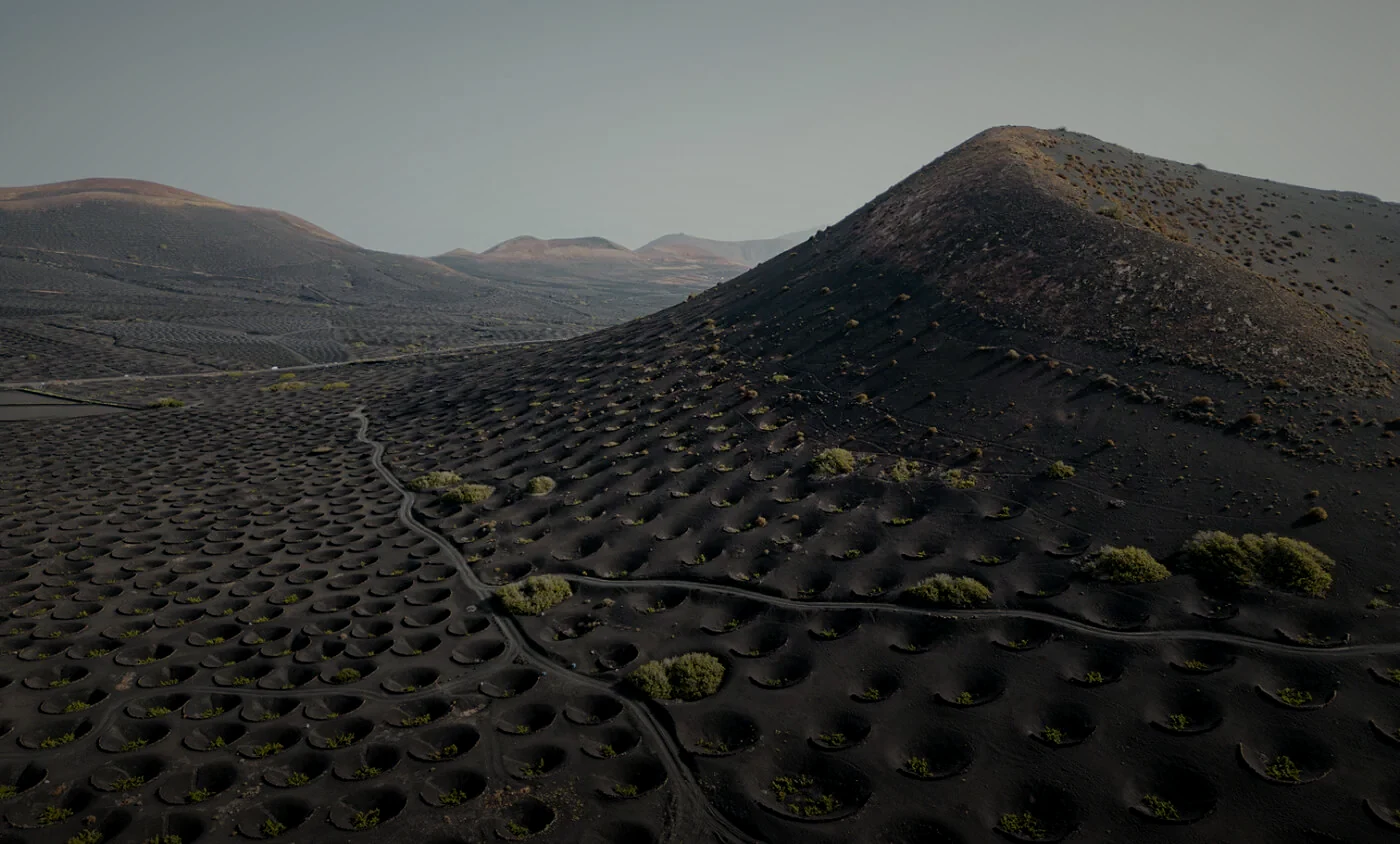
The result is a landscape closer to the moon than to a vineyard: thousands of black bowls in rows across the lava fields of La Geria. All of it dug, built and picked by hand. None of it can be mechanised, and a hectare here yields a fraction of what the same hectare gives on the mainland.
The volcanic cone above the fields of La Geria
La Geria
The ash The volcano left it. It holds the water.
The pit Dug down to the soil. One vine in each.
The wall A crescent against the trade wind.

The volcano gave the ash. The rest was dug and built by hand.

The ash

Porous black picón that holds the night’s moisture and passes it to the soil beneath. Without it the vines would not survive the summer.

The pit

Up to three metres across and a metre and a half deep, dug by hand down to the soil. One vine in each. That is why the yields are so small.

The wall

A crescent of dry stone on the windward side of every pit, against the trade wind that comes from the north-east all year round.
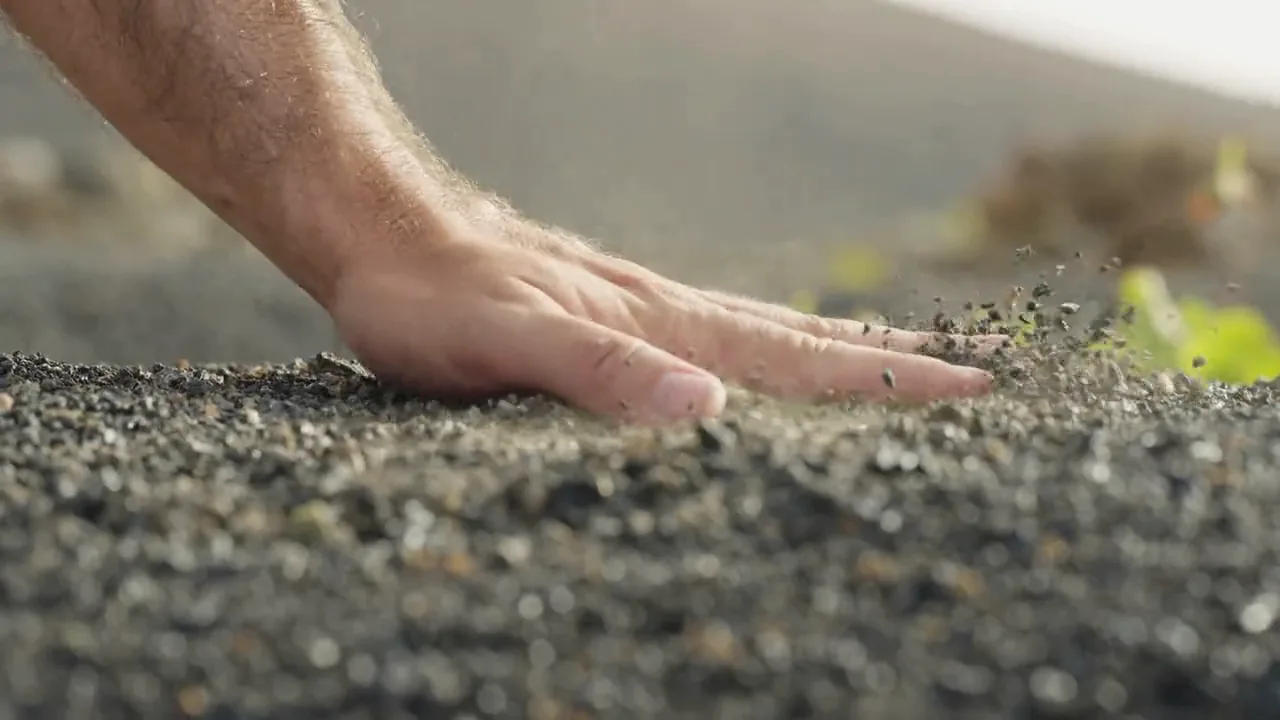
Black picón running through a hand
Hoyos seen from above, one vine in each
The crescent of dry-stone wall around each pit
The grape

Malvasía Volcánica grows virtually nowhere else.

It belongs to the island, and it stands on ungrafted vines — pie franco — because phylloxera never reached here. The vines are old, many over a hundred years, and have never been grafted onto American rootstock, as almost every other vine in Europe has.
In the glass it gives flowers first — orange blossom, jasmine — moving into stone fruit. Beneath lies a mineral, almost saline dryness that is impossible to mistake for anything else, and a natural acidity that keeps these wines upright for years.
The producers

One island, entirely different answers.
See their wines
A hand in the picón on Althay’s land
A young winery · Four wines

Althay

The other end of the island, and the other end of the thinking. A few thousand bottles a year from old ungrafted vines, fermented on their own yeasts and bottled after very gentle filtration. No safety net, and no attempt to make the wine easier than it is. Four wines: two white blends, a single-site Malvasía from a crater bowl, and the only red we carry.
Viticultores 2024 entered Vinmonopolet’s standard range in the summer of 2026.
Visit casaalthay.com
Althay: hoyos and dry-stone walls in La Geria
Althay · 1:14

The cellar, the walls and the hands behind the wine — filmed on Lanzarote.

Founded 1775 · San Bartolomé · Five wines

El Grifo

The oldest winery in the Canary Islands and one of the ten oldest in Spain, run by the same family for generations. They have made wine without interruption since 1775 and turned 250 in 2025 — and have kept a curiosity that runs from a bone-dry Brut Nature with several years on the lees to a pale free-run rosé.
Their logo was drawn by César Manrique. He also had a hand in shaping the wine museum at the winery.
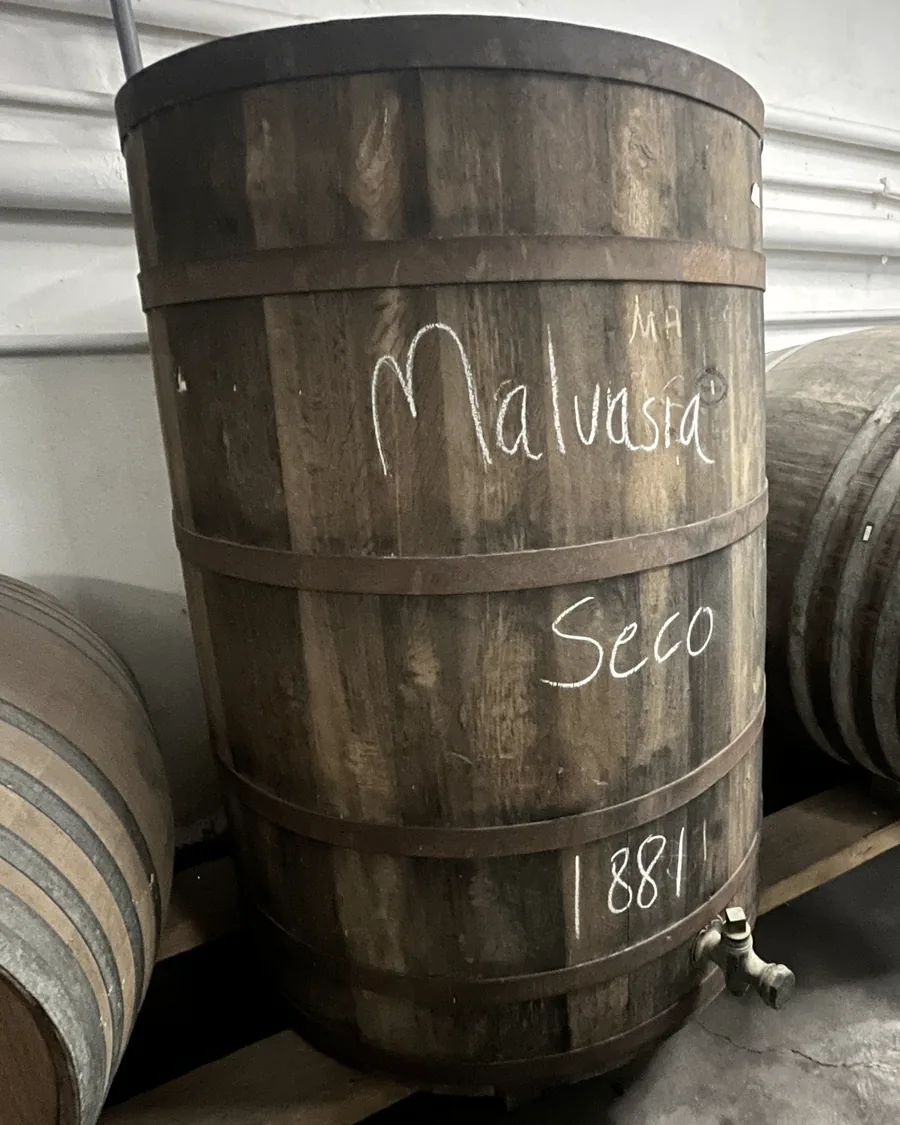
A cask marked Malvasía Seco 1881 in El Grifo’s old cellar
From the cellar · 1881 In the old cellar there are still casks of Malvasía Volcánica from 1881, marked by hand. The wine is still in them, and today it forms the base of the winery’s solera.
Visit elgrifo.com
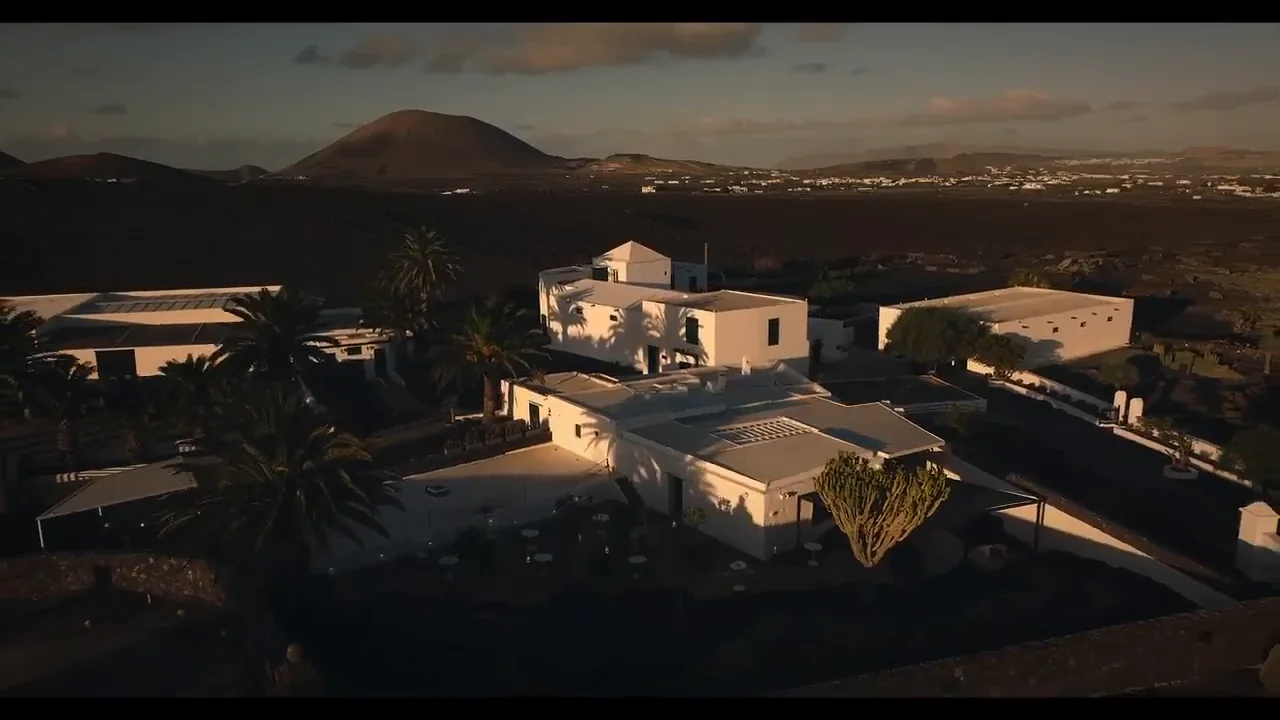
El Grifo’s bodega at dusk, the volcano behind
El Grifo: rows of hoyos against the volcano
El Grifo · 1:03

Another world, on another clock — the island’s oldest winery, filmed at home.
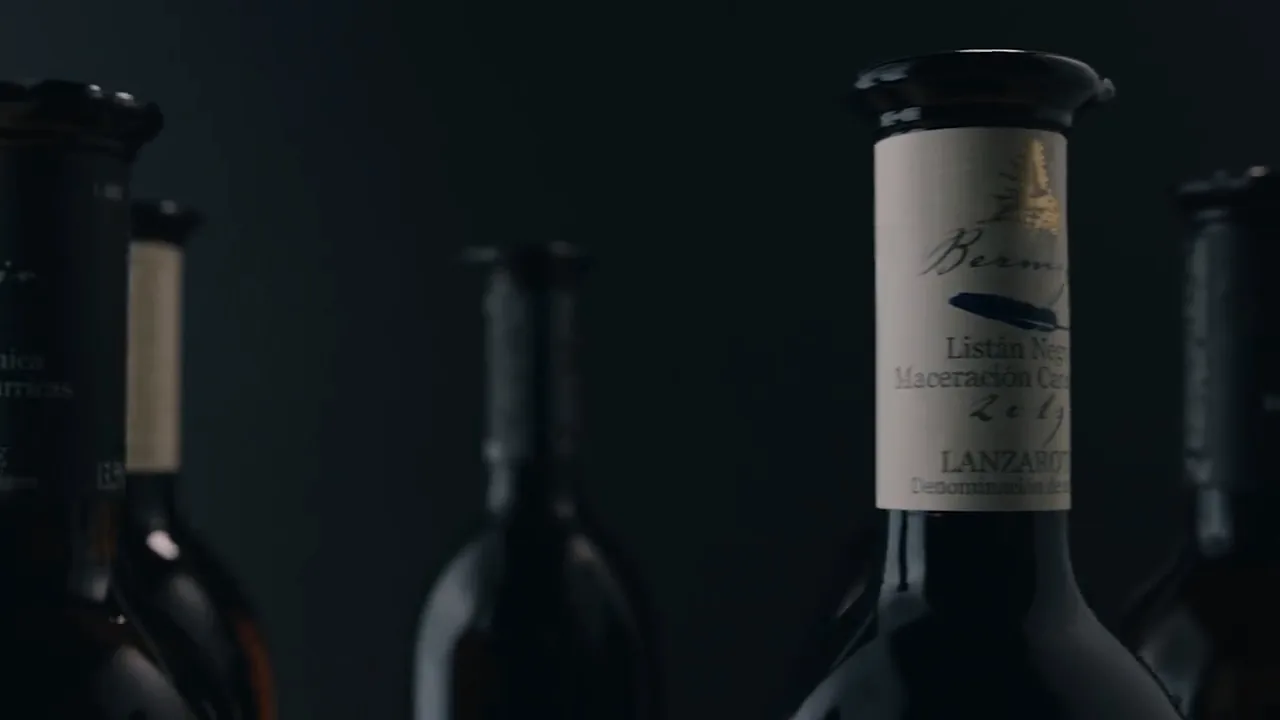
The bottles in the dark at Bodegas Bermejo
Family-run · Three wines

Bodegas Bermejo

Precision. Malvasía and Listán Negro from the plots nearest the coast, where the Atlantic sits in the wine as a mineral, almost saline undertone. The wines are paler and tauter than most, and they do something few others on the island attempt: traditional-method sparkling, with long ageing on the lees.
Visit losbermejos.com
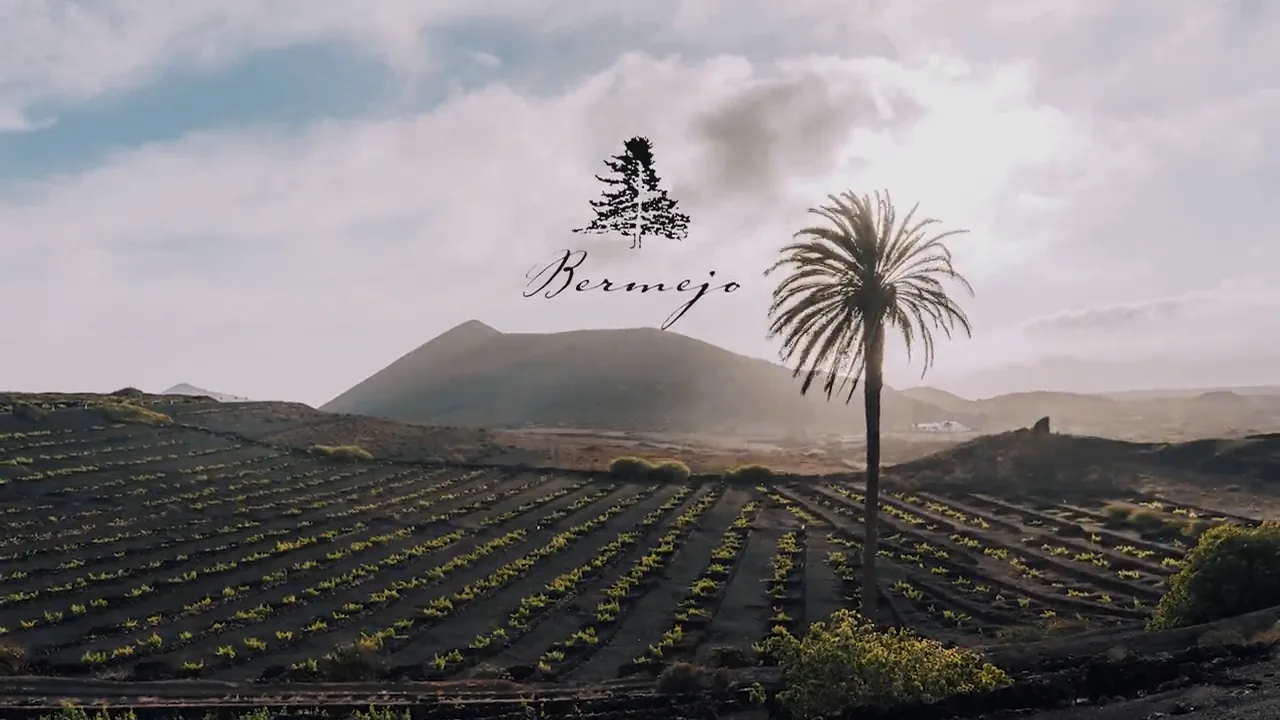
Bermejo: the vineyards of La Geria with the palm
Bodegas Bermejo · 1:00

From the fields of La Geria to the glass — the producer’s own film.

Evening light in the showroom
Since 1967

We came to Lanzarote in 1967. The wine had been there for nearly two hundred years.

The family travel agency sent the first Norwegian travellers to the island in 1967 — decades before any of us gave a thought to importing. The wineries we carry needed no importer. Most of what they make is drunk on the island, and a little goes to selected markets abroad.

They did not need us, and we were in no position to pick them. We chose one another. They know what the family had a hand in when the island first began to receive visitors; we know what they have built since. That reciprocity, rather than any agreement, is what the relationship rests on.

It is also why we can telephone a producer on a Sunday to ask about a vintage.

Monrik Wines is owned and run by Monica and Henrik. We choose the wines, bring them home and stand in the showroom ourselves. On Lanzarote we have a permanent local team who look after things for us through the year.
Contact us