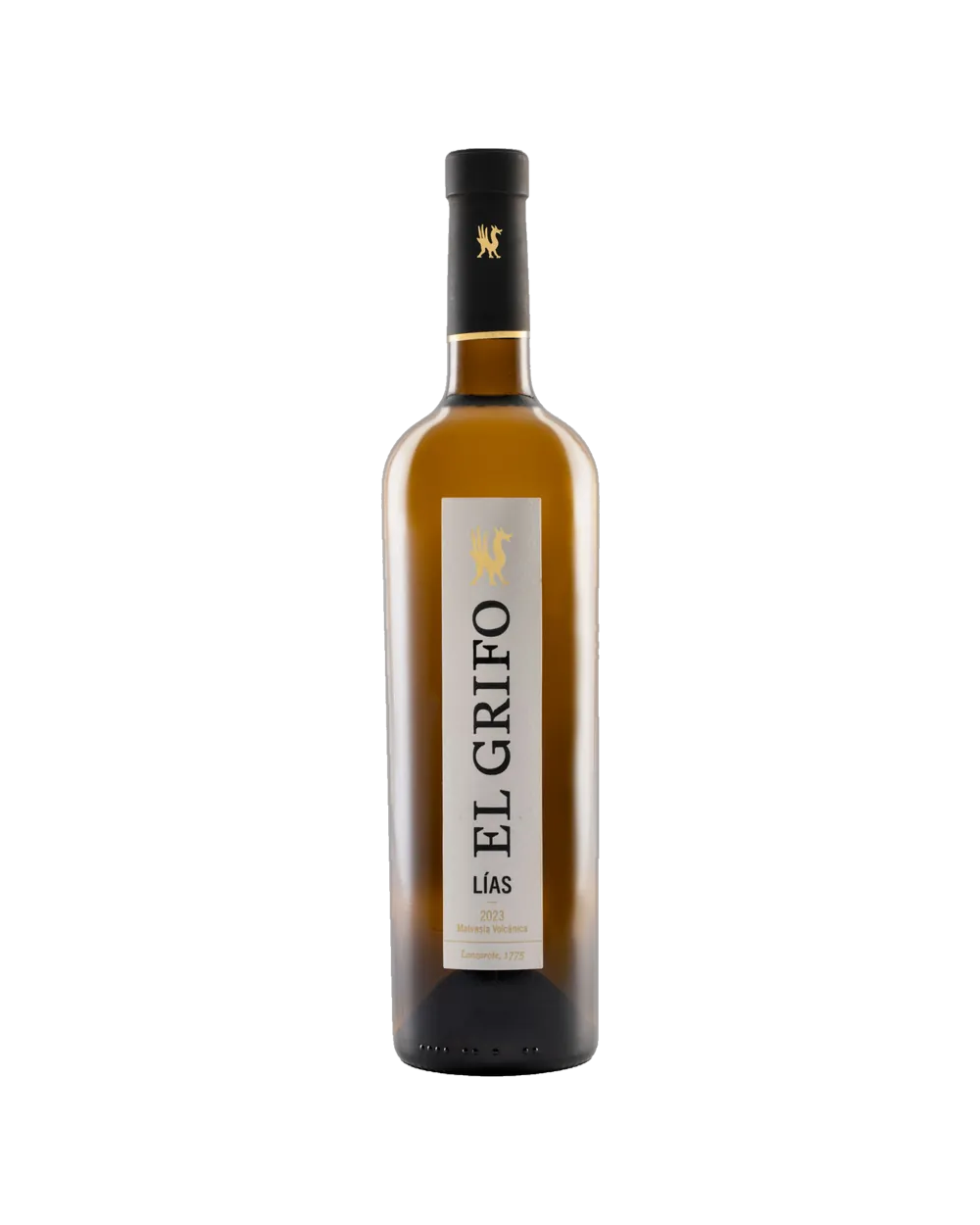
 El Grifo · Vintage 2023
Lías Malvasía Volcánica
Malvasía Volcánica 100%
Kr 399,00
The grape
Malvasía Volcánica
It grows in practically one place in the world, and this is it. Malvasía Volcánica is Lanzarote’s own grape, grown in pits dug into volcanic ash, on vines that have never been grafted. Here is what is known about it.
Where
One valley, and almost nowhere else
The grape is grown in La Geria in the middle of Lanzarote, along the stretch between the villages of Mozaga and Yaiza. Outside the Canary Islands it is barely found at all, and even there the planted area is marginal. This is not a grape that travels. It has stayed where it came into being.
The vines
Ungrafted, because phylloxera never arrived
Phylloxera laid waste to Europe’s vineyards in the nineteenth century, and the answer was to graft European varieties onto American rootstock. Nearly all wine in the world today stands on grafted vines.
Lanzarote escaped. The island lies far out in the Atlantic, the ground is volcanic ash, and the louse never reached it. The vines therefore stand pie franco — on their own roots. Many are over a hundred years old. This is not a curiosity: an old ungrafted vine gives small yields and deep concentration, and it is a line back to something otherwise lost in Europe.
Origin
A cross that happened on its own
Malvasía Volcánica — also called Malvasía de Lanzarote — is not a malvasia in the Italian or Spanish sense, but a variety of its own that arose by natural crossing.
DNA analysis in 2018 pointed to Malvasía de Sitges as the mother and Marmajuelo as the father. A later analysis in 2019 could not confirm the paternal side. In other words: the maternal side is regarded as settled, the paternal side is not. El Grifo, one of the houses we carry, conducts its own research into precisely this question of name and origin.
The name
Is it the same malvasia as elsewhere in Europe?
No. Malvasia is not one grape but a name attached over centuries to a range of different varieties around the Mediterranean and on the Atlantic islands — several of them unrelated to one another. Malvasia from Italy, from Madeira and from Lanzarote are three different things.
Malvasía Volcánica is a variety of its own, and should not be confused with Malvasía de Sitges or Malvasia Bianca Lunga, with which it shares several synonyms. It is also called Malvasía de Lanzarote, and older sources list it as Peregil, Perejil and Sebastián García.
Spellings vary. You will see Malvasia Volcanica without accents, and often simply malvasia. It is the same grape.
In the glass
Blossom first, then salt
It opens with blossom — orange flower and jasmine — moving into ripe stone fruit. Beneath lies a mineral, almost saline dryness that is hard to mistake for anything else, and a natural acidity that holds the wines upright for years.
The salt is not a figure of speech. The fields sit on an island 125 kilometres from Africa that receives between 110 and 150 millimetres of rain a year, with the trade wind blowing from the north-east all year round.
From this grape
See all the wines
The wines we carry from Malvasía Volcánica
From pure expressions to blends where the grape carries the greater part.
El Grifo · Vintage 2023
Lías Malvasía Volcánica
Malvasía Volcánica 100%
Kr 399,00
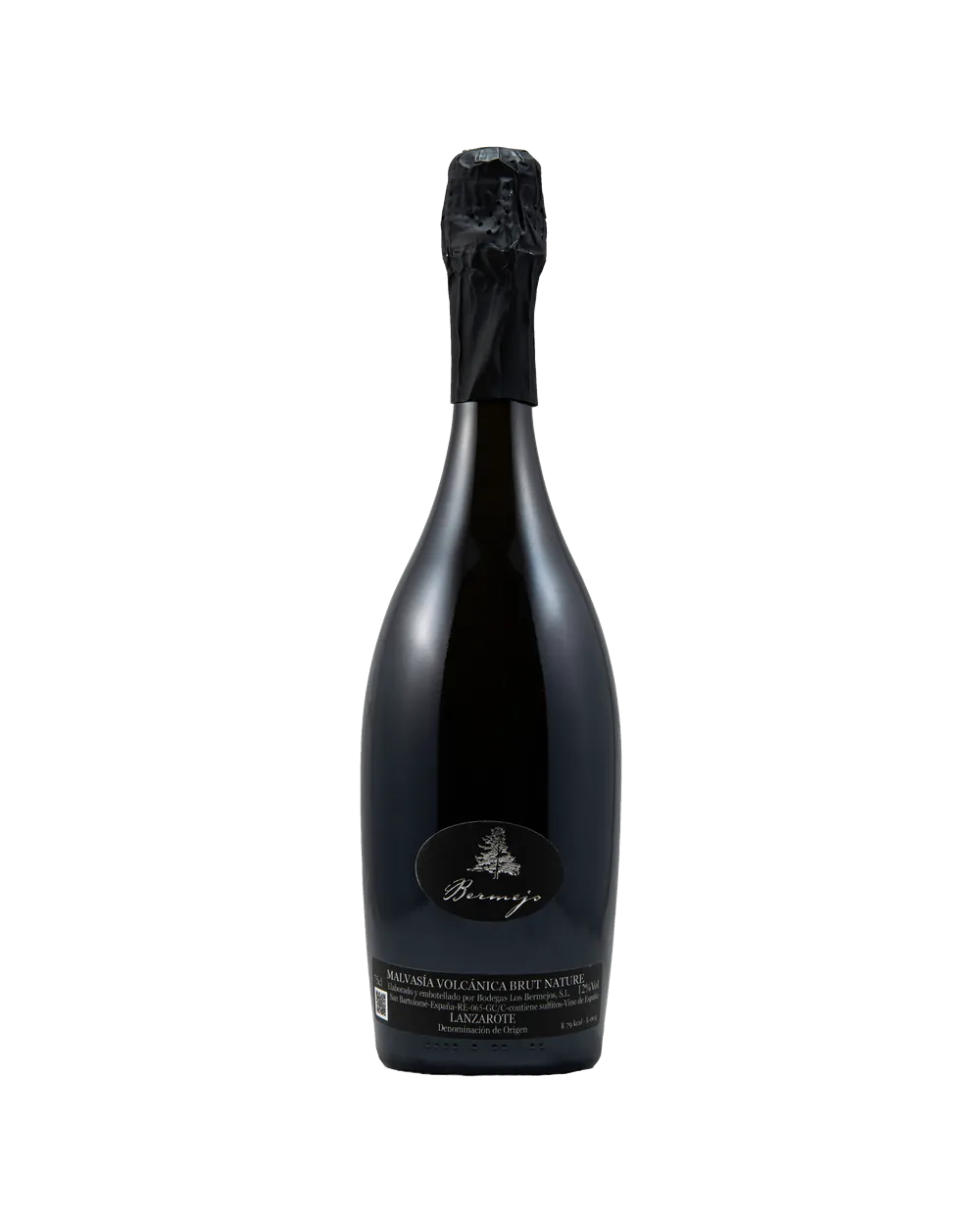 Bodegas Bermejo · Vintage 2023
Malvasía Brut Nature
Malvasía Volcánica 100%
Kr 479,70
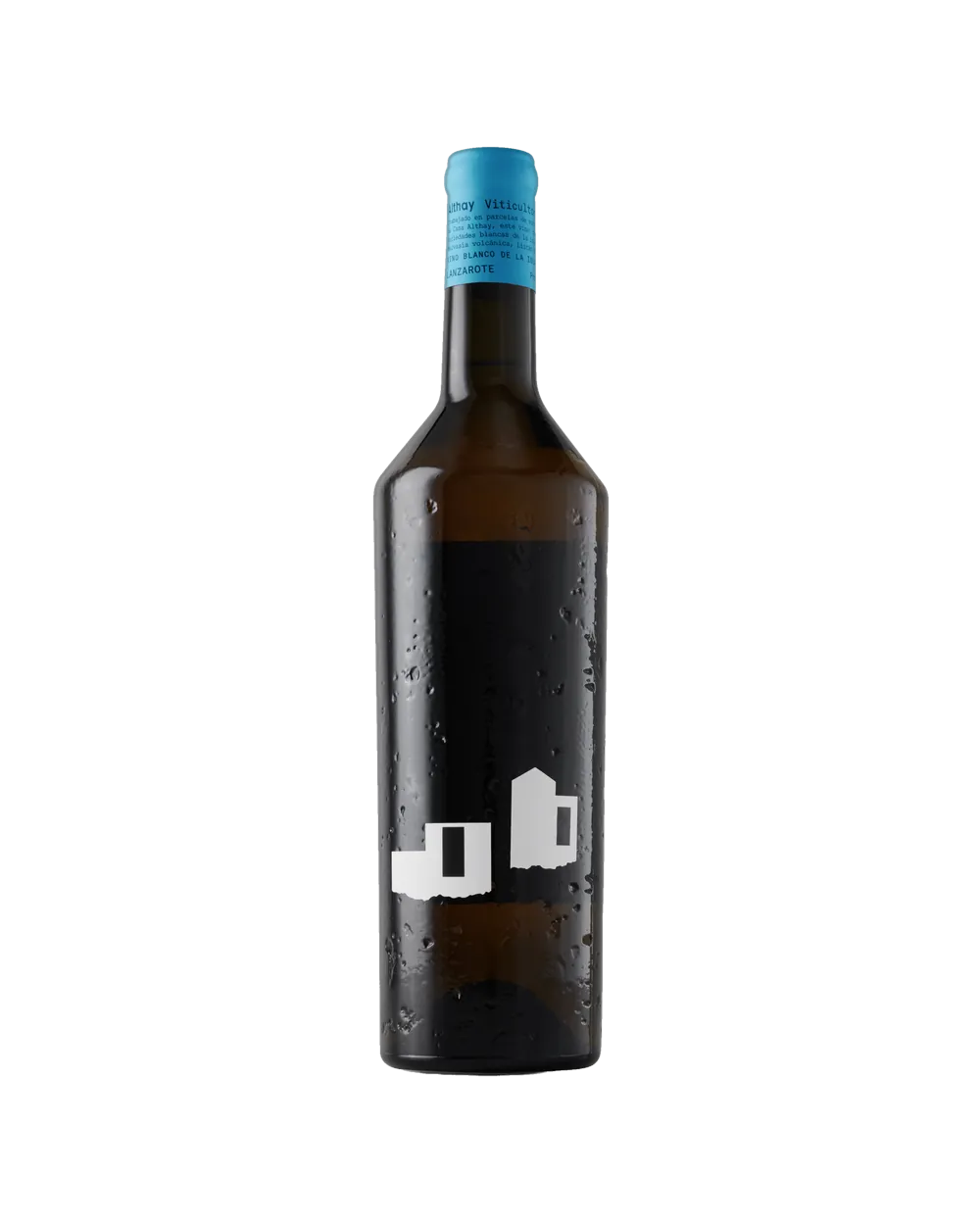 Althay · Vintage 2024
Viticultores
Malvasía Volcánica 80%, Listán Blanco 10%, Diego 10%
Kr 399,00
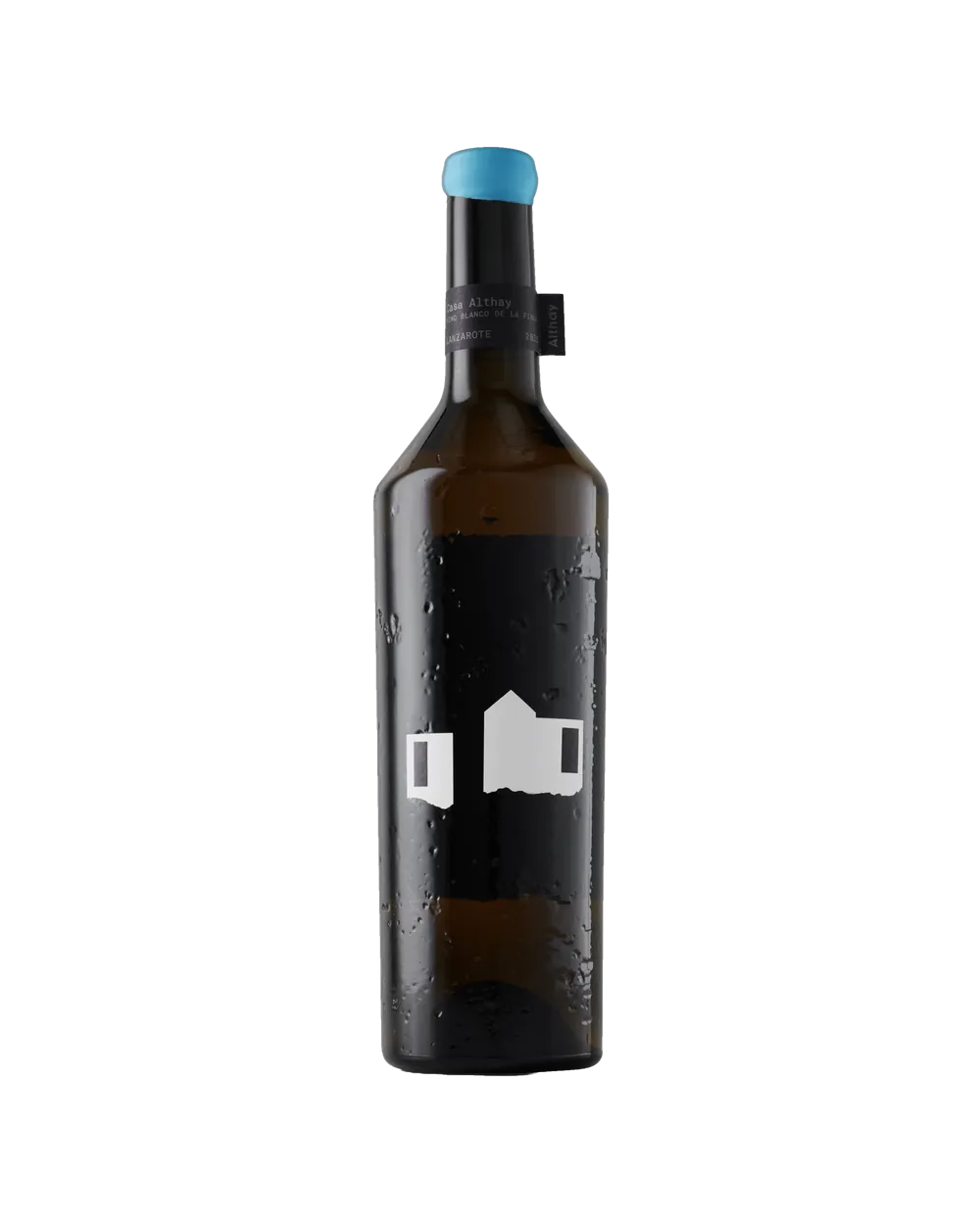 Althay · Vintage 2023
Casa Althay
Malvasía Volcánica 60%, Listán Blanco 40%
Kr 499,70
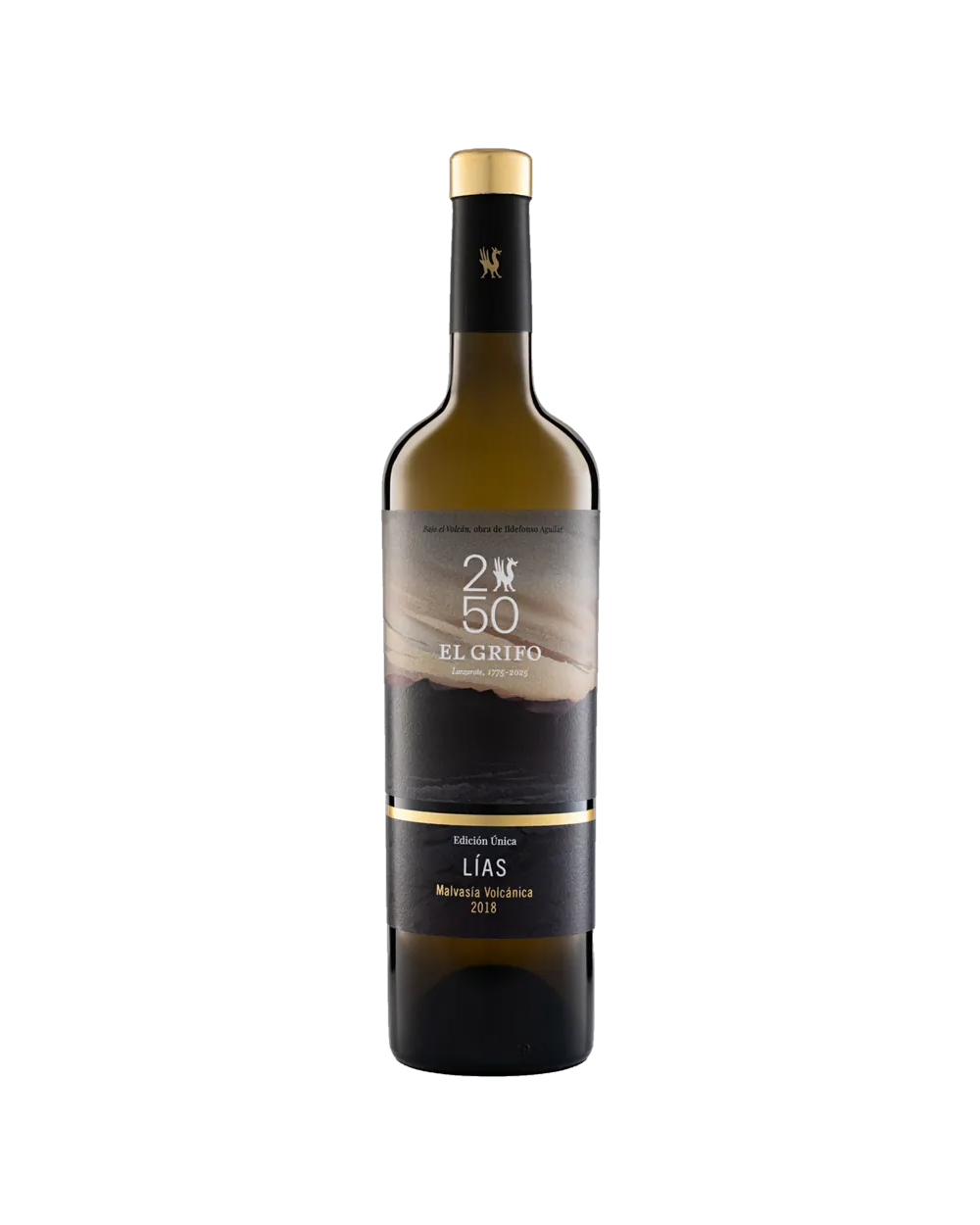 El Grifo · Vintage 2018
Lías 250 Edición Única
Malvasía Volcánica 100%
Kr 499,70
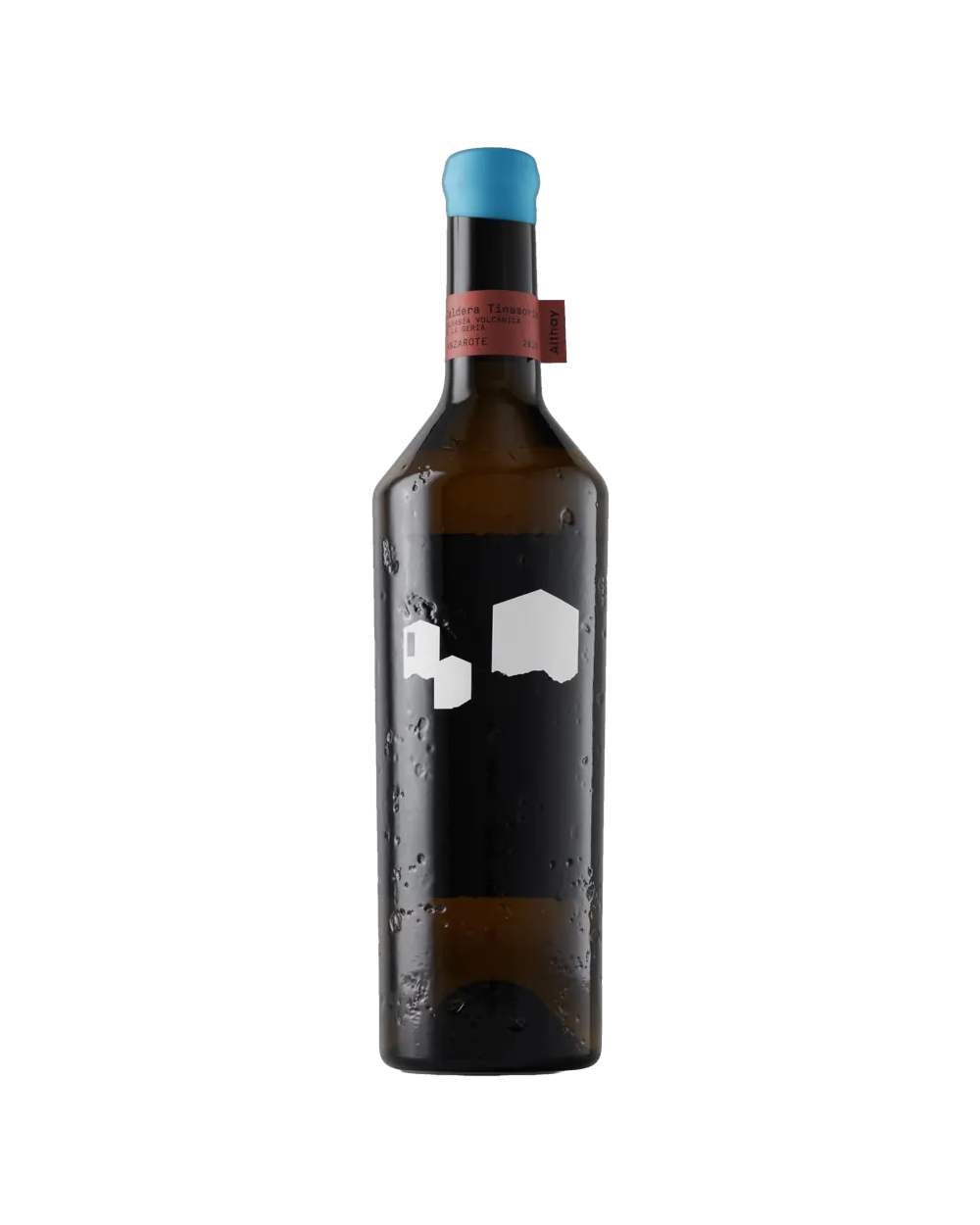 Althay · Vintage 2023
Caldera Tinasoria
Malvasía Volcánica 100%
Kr 574,50
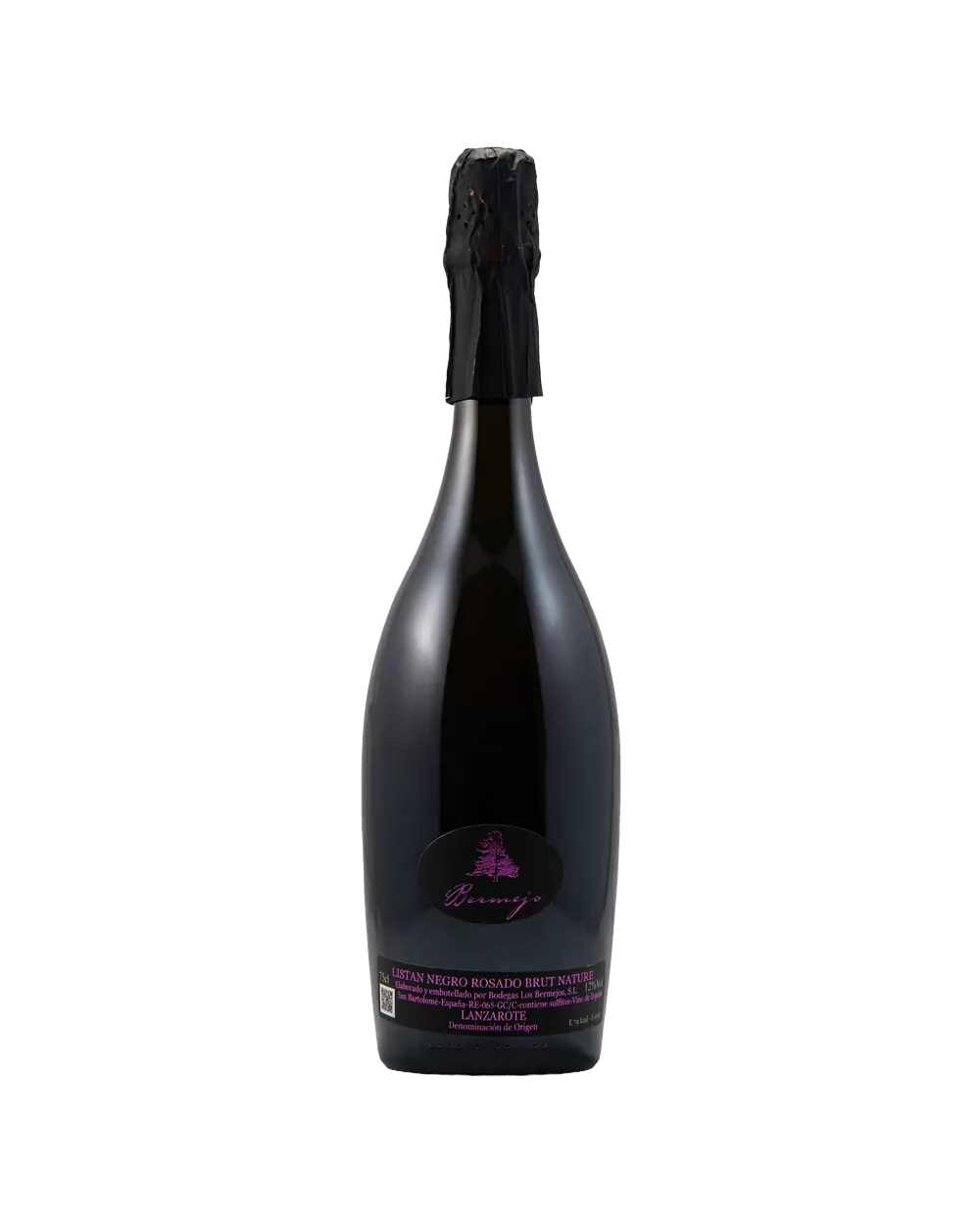 Bodegas Bermejo · Vintage 2023
Listán Rosado Brut Nature
Listán Negro 90%, Malvasía Volcánica 10%
Kr 479,70
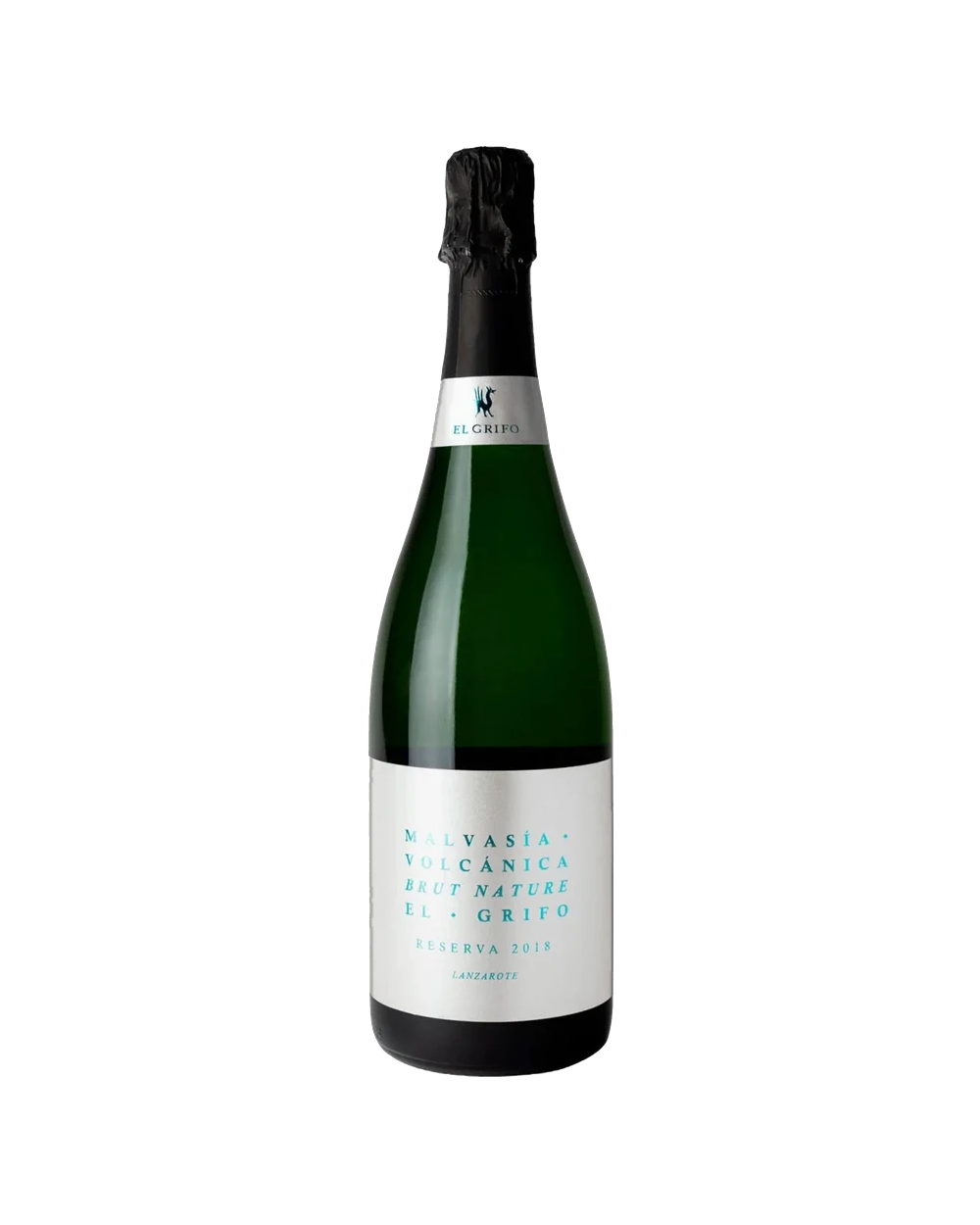 El Grifo · Vintage 2022
Malvasía Volcánica Brut Nature
Malvasía Volcánica 100%
Kr 499,70
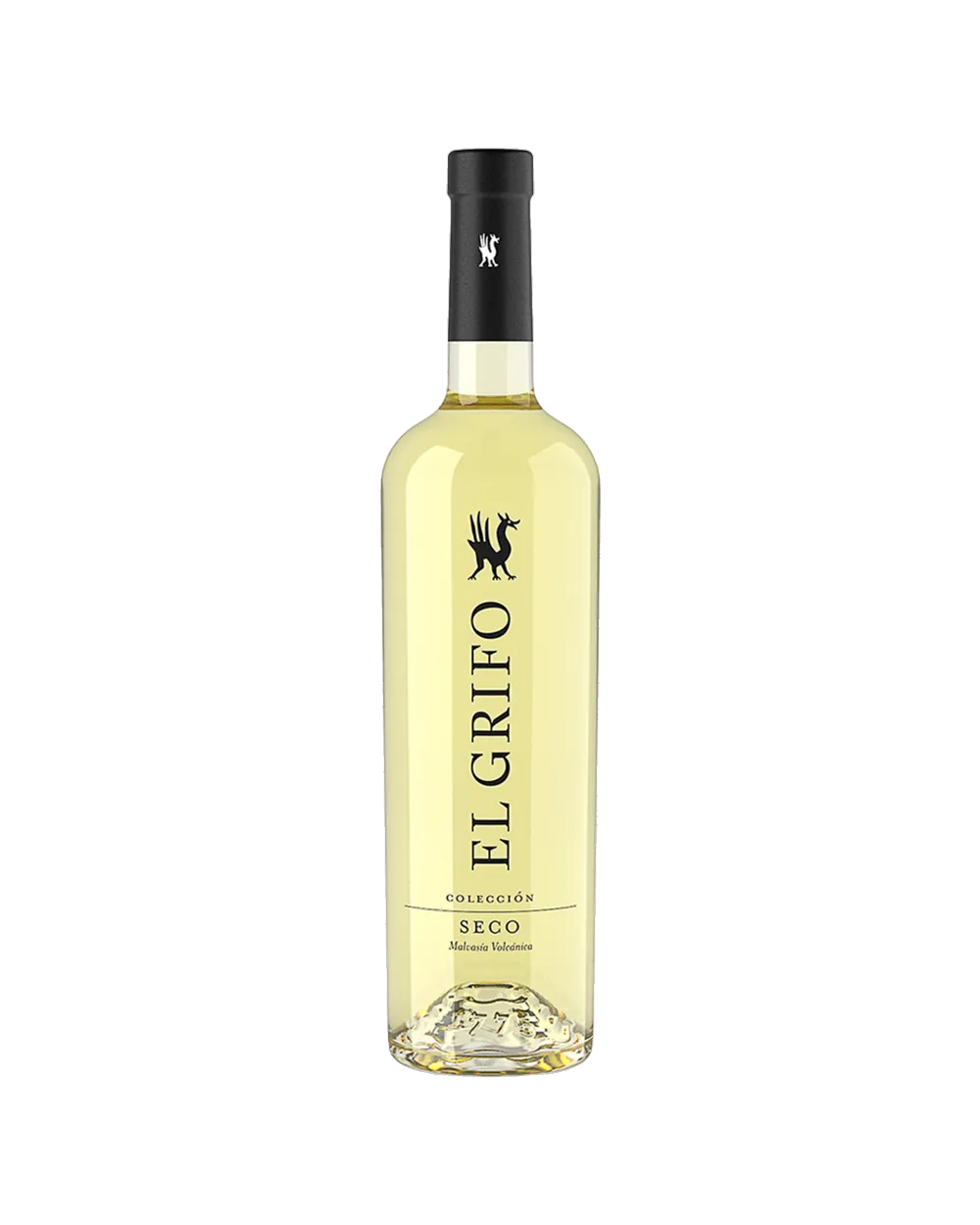 El Grifo · Vintage 2024
Colección Seco
Malvasía Volcánica 100%
Kr 399,70
The island
The pits, the ash and the walls
The method the grape is grown by — why it stands in pits dug into the ash, and what the walls are for.
Read about La Geria